
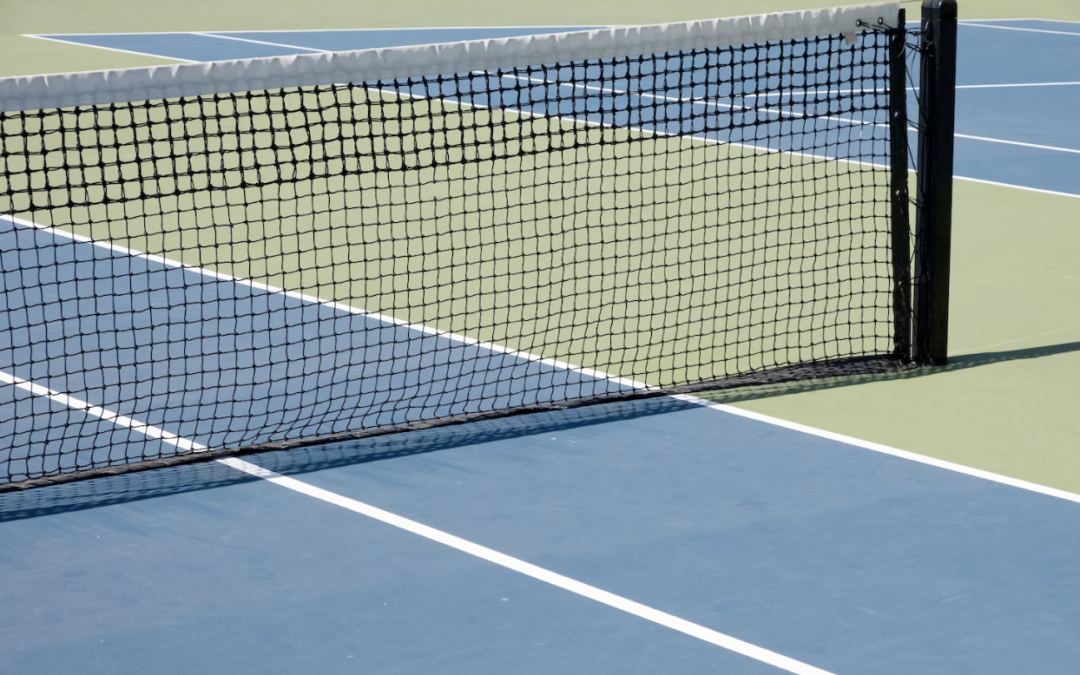
There are many types of tennis courts, so it can sometimes be difficult to know which one is best suited to a particular setting or intended use. In this article, we’ll explain the characteristics of synthetic resin tennis courts, the surface of choice for sports clubs, tournaments, and professional play.
This type of court is semi-hard and ranks among the fastest, such as the TennisFast® porous concrete courts, and its surface finish can vary and be adapted depending on the desired ball bounce. It could be said that this is the fairest court for players because of the results it produces and because it can offer great comfort and quality of play depending on the resin layers and the substrate on which it is installed.
WHAT ARE THEY MADE OF?
As the name suggests, this type of court consists of several layers of resin— ranging from a minimum of 3 to a maximum of 6—initially applied to asphalt bases, but today they can also be installed on concrete if specific instructions are followed. This makes them an ideal solution for renovating older tennis courts, as they require very little maintenance (lasting between 5 and 10 years) and the resin is easy to apply.
We find everything from a standard surface that offers a lively game and consistent bounce to the use of cushioned layers made from rubber particles for greater playing comfort and better joint protection. On this type of court, because the ball bounces faster and lower, players must have strong knees to move quickly, making serves and net play more important, with immediate shot preparation.
KEY BENEFITS
a) Very little maintenance and a long service life: We simply need to keep the court surface clean and avoid footwear that could leave marks on it. Resurfacing is easy and may not be necessary for up to 10 years.
b) The game is comfortable and enjoyable. You can adjust it by applying more or fewer layers of resin. This results in a perfect, uniform finish.
c) Ideal for restoring old concrete tracks, thanks to the ease of application of the resins and their high durability.
SOME DISADVANTAGES
a) Increased risk of injury: Quick, short sprints place greater strain on the knees as they must move more rapidly across the track, which can lead to joint wear and tear.
b) Rain: Is it starting to rain? Then it’s best to take precautions, because the surface will be very slippery, especially in the lane and baseline areas (the most worn parts). You must prevent puddles from forming on the court.
c) Temperatures rise in the summer: Resin or fast tennis courts heat up considerably during the warmer months, reaching temperatures above 50ºC, which can be a disadvantage for players.
Are you thinking about building a synthetic resin tennis court? Request a quote online by click here!